Thees Dammtec GmbH
Frequently asked questions
Answers to the most important questions about our dam systems
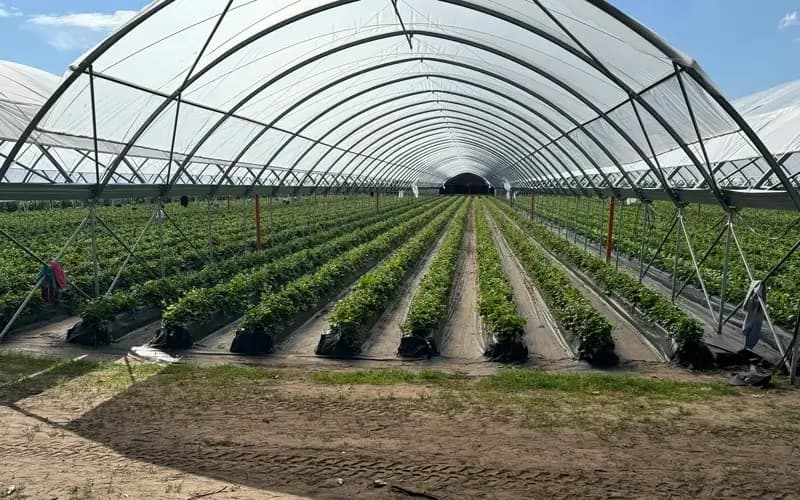
- How high must the polytunnel be for your tractor?
- Where the tractor drives, the tunnel must be at least 3 m high.
- How must the soil be prepared before the dams are formed?
- The soil must be loosened and mixed well to a depth of at least 25 cm. Ideally, first plough and then cultivate with a wing-share cultivator.
- Can stones or coarse plant residues be present in the soil?
- No, that is not possible. The soil must be free of stones and coarse plant residues such as asparagus roots or maize stalks.
- How dry or moist must the soil be when the dams are formed?
- For the topsoil dam, the soil should be earth-moist (slightly damp). For the substrate dam, somewhat more moisture is required.
- Should lime be spread before the dams are formed?
- For the topsoil dam, liming depends on the result of the soil analysis. For the substrate dam, we recommend 25 to 30 t/ha.
- Can the dams be formed well before the planting date?
- Yes, that is no problem at all. The dams can easily be formed well before the actual planting date.
Glossary
- Topsoil dam
- A cultivation dam for berry growing formed from the existing field topsoil. The soil itself is the building material. The topsoil dam allows single- or double-row planting, needs no herbicide use and brings a clearly earlier harvest.
- Substrate dam
- A cultivation dam that is filled with added substrate (e.g. coconut slabs). Ideal for soils with low or depleted fertility, because the soil itself does not serve as a nutrient medium. It enables cultivation independent of the site and an even earlier harvest than table-top cultivation.
Contact
Do you have questions or are you interested in our solutions? Call us directly or send us a message. We look forward to your enquiry!
Get in touch now